JETRAY / Battery engineering & sourcingShenzhen, Chinasale1@jetray.cn ↗
JETRAYMedical Equipment Battery Projects
JETRAY / Product journal / 08
DEVICE-INTEGRATION REFERENCE

Power decisions deserve careful evidence.

Battery selection guidance for medical-equipment development teams. Product references support an engineering discussion; device suitability and compliance require model-specific validation.

JETRAY / DEVICE-INTEGRATION REFERENCEProduct reference
Medical Equipment Battery Projects — Jetray website product-family photograph
Device load profileOriginal Jetray catalogue photography ↗
01 / Design considerationDevice load profile
02 / Design considerationProtection interfaces
03 / Design considerationValidation evidence
01 / The collection

Start with the right product reference.

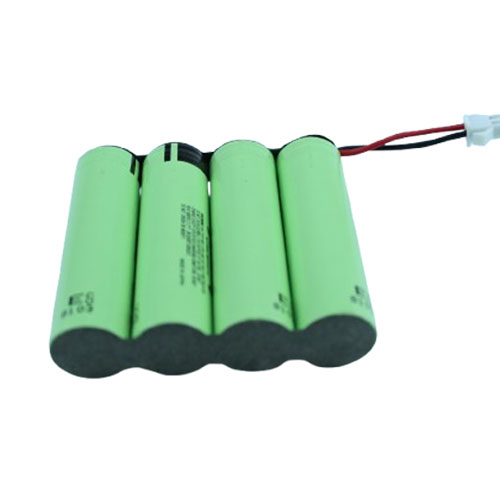
Catalogue data is a starting point. Confirm the current model specification and application requirements before design-in.

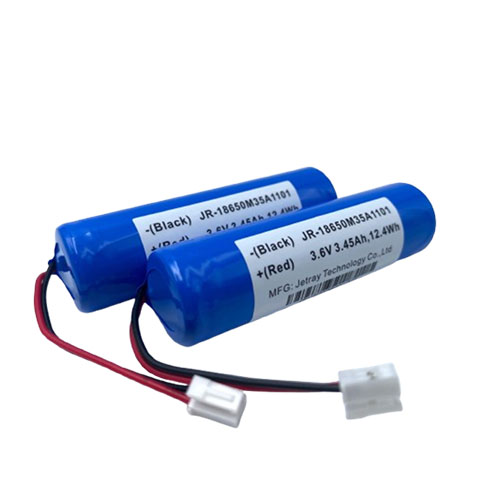
Application evaluation3.6V 3.5Ah Compact Pack Evaluation — product-family reference

3.6V 3.5Ah Compact Pack Evaluation

A single-cell protected pack format for compact equipment. Use the published electrical envelope as a starting point, then verify cable routing, protection and charging requirements.

Battery catalogue reference for engineering evaluation. This image does not establish approval for a medical device or medical certification.

3.6V3.5Ah12.6Wh
Application evaluation14.8V 3.4Ah Pack Evaluation — product-family reference

14.8V 3.4Ah Pack Evaluation

A catalogue configuration for discussion during equipment battery selection. Provide the device safety requirements, load profile and charging arrangement before evaluation.

Battery catalogue reference for engineering evaluation. This image does not establish approval for a medical device or medical certification.

14.8V3.4AhLithium-ion
View all specifications
02 / Engineering perspective

A specification built around the work.

Medical Equipment Battery Projects selection starts with the equipment. Use electrical, mechanical and operating requirements to create a clearer supplier conversation.

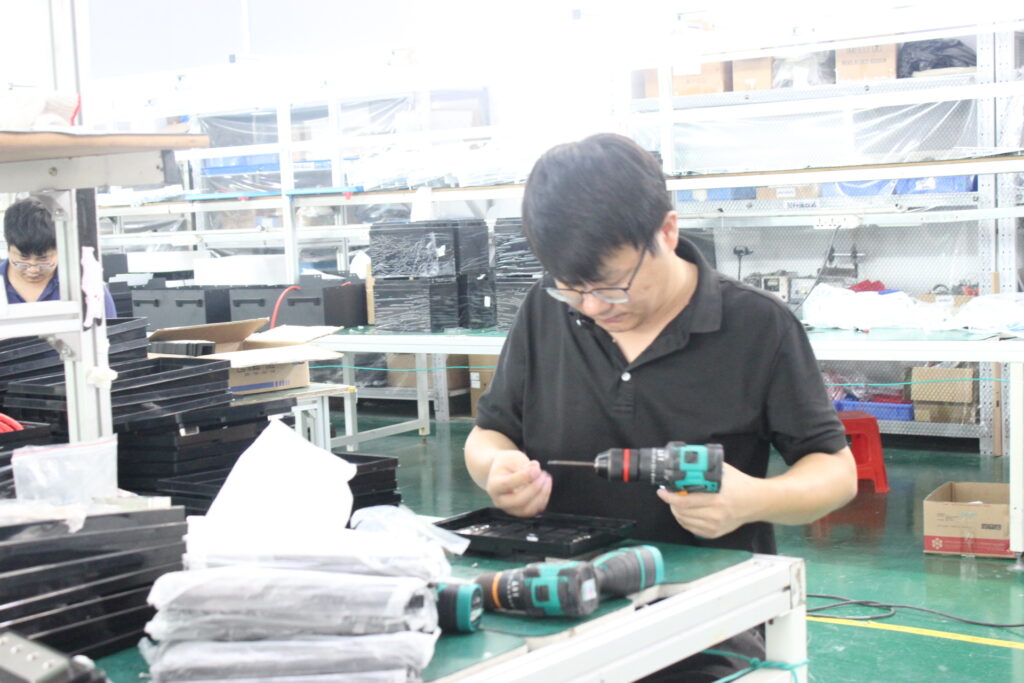
Production workspace shown on the Jetray factory website

Photography from Jetray’s published factory page.

Define the device context

Describe the intended use, operating environment and the battery's role within the device risk assessment.

Control the interfaces

Confirm electrical limits, protection behavior, thermistor signals, identification and communication as applicable.

Plan model-specific validation

Agree test evidence, traceability and change control with the equipment manufacturer. A catalogue reference is not device approval.

03 / Application planning

See the system around the battery.

Each application needs its own integration review. A similar voltage or physical format does not establish compatibility.

01

Portable equipment projects

Document the complete load profile, recharge workflow and equipment voltage limits.

Review requirements
02

Monitoring equipment projects

Review backup duration, state-of-charge behavior and the effect of low-battery transitions.

Review requirements
03

Serviceable battery modules

Define identification, replacement controls, connector keying and maintenance documentation.

Review requirements
04 / Resources & insights

Useful answers for better decisions.

Practical guidance for engineers and purchasing teams, with sources for further review.

05 / Questions, answered

Before you specify.

Keep the important decisions visible.

Are the listed batteries approved for a medical device?

No such approval is implied. Suitability depends on the exact battery design and the device manufacturer's risk management, testing and regulatory responsibilities.

What information is useful for an initial discussion?

Provide device type, intended environment, voltage window, measured current profile, runtime target, enclosure drawing and the required documentation.

Can a battery be substituted after device validation?

A change to cells, protection, firmware or mechanical construction may affect the validated device. Follow the equipment manufacturer's change-control process.

A useful conversation starts with a specification

Tell us what your equipment needs.

Share the load, dimensions and intended use. Ask for a current model specification and a project review.

Discuss your project

Product comparison